
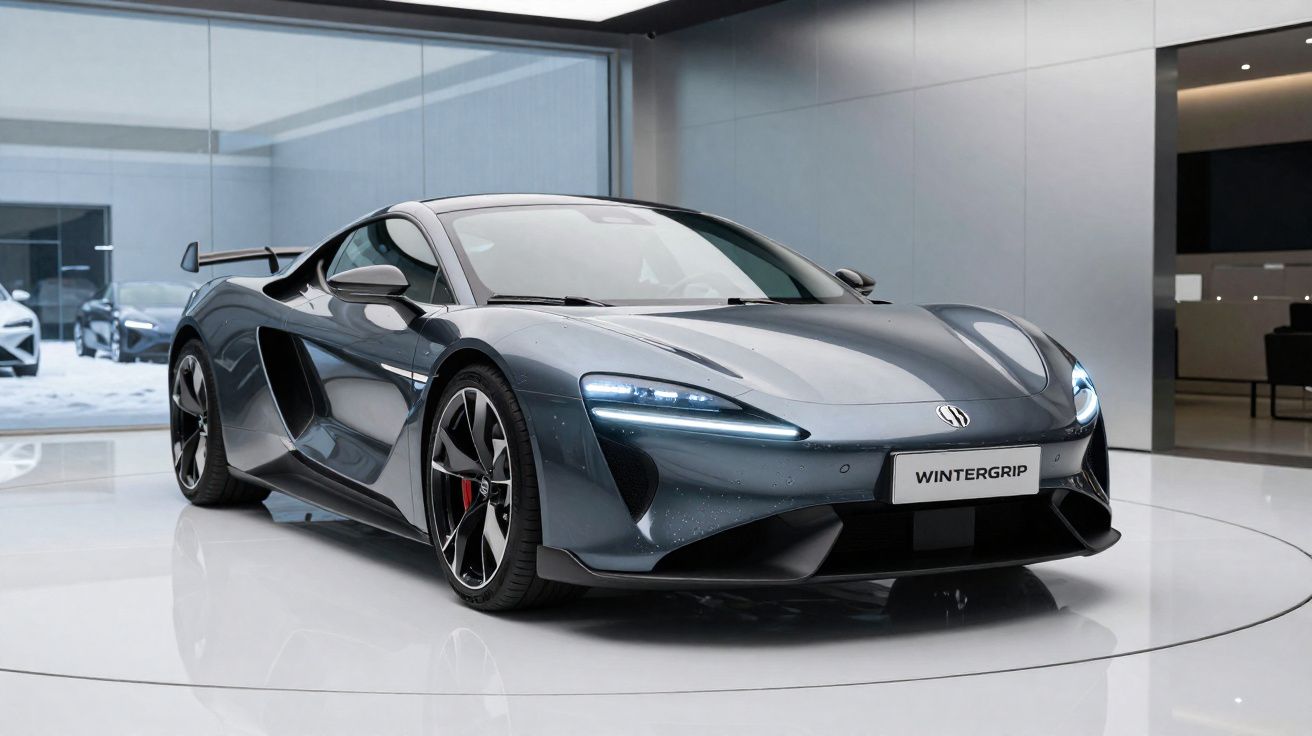
Same road, same time, same person behind the wheel… yet the car behaves as if it’s hauling a trailer you can’t see. The engine sounds harsher, the steering feels weightier, and the dashboard lights seem to hang around for longer than usual. You press the accelerator and get a slow, drowsy response-as though the vehicle hasn’t properly woken up.
Out on the motorway, the overtake you could do on instinct suddenly takes thought and space. At junctions, there’s a pause before the car gathers itself. You might blame the fuel, the traffic, or even your own patience-anything other than the temperature outside.
Still, the question keeps returning while you scrape the windscreen for the third morning in a row:
What if winter is quietly stealing your horsepower?
Winter driving: why your car feels heavy and sluggish
There’s a particular moment in January-backing off the drive-when everything feels slightly off. The clutch seems to bite somewhere else, the throttle feels spongy, and the gearbox moves like it’s wading through glue. It isn’t just in your head: in cold weather, your vehicle really can behave as if it’s suddenly aged.
You might notice it holding higher revs before changing up. The stop-start system may refuse to operate. Steering that felt light in September can develop a slow, thick resistance. Same car, same driver, same route-yet the experience shifts because the air and the materials inside the car have changed.
Replay a typical UK commute: brake at the same roundabout, attempt the same quick overtake on an A-road, merge onto the same slip road for the same motorway. In summer, a small squeeze of the throttle can feel eager. In winter, that identical pedal movement often delivers a muted, reluctant shove.
Fleet operators see it in the data. Some report fuel consumption rising by 10–20% in colder months. Drivers talk about “sluggish vans” and “lazy engines” after a cold snap. And if you drive an EV, you’ll likely recognise the pattern: real-world range can fall by a quarter or more.
That consistency isn’t superstition. It’s physics.
Cold air is denser, which can help power in theory. But winter also thickens oil, hardens rubber, lowers tyre pressures, and pushes the engine management system to run richer fuel mixtures until everything reaches temperature. For EVs, battery chemistry slows down, so power delivery and energy recovery can feel less willing.
So the “sluggish” sensation usually isn’t one fault-it’s lots of small winter effects stacking up.
The under-bonnet causes of winter sluggishness in your car
Thicker oil and drivetrain fluids
The first quiet troublemaker is oil. In warm weather, engine oil circulates freely. In February, it can behave more like partially set honey. That extra viscosity increases friction across the moving parts-crankshaft, camshafts, pistons, turbo bearings-so the engine wastes energy simply churning and dragging fluid around until it warms and thins.
The same applies to gearbox oil and differential oil. On a freezing morning, gears are effectively ploughing through syrup rather than gliding in a thin lubricating film. That’s why early shifts can feel notchy, stiff, or reluctant: it’s not “attitude”, it’s temperature.
Until operating temperature is reached, the powertrain is battling its own cold-weather resistance.
Tyre pressure drop and stiffer rubber
The second culprit sits at the four corners: your tyres. As temperatures fall, air contracts, and tyre pressure can drop by a noticeable amount overnight. Even 0.2–0.3 bar (3–5 psi) under the recommended figure increases rolling resistance, which is felt as extra drag-especially when pulling away and when accelerating at speed.
On top of that, tyre compounds become firmer in deep cold. A stiffer tyre deforms less readily, which can further increase resistance and make the ride feel harsher. The change is subtle, but it shows up when you try to build speed on a slip road and the car feels oddly flat.
Layer underinflated tyres onto thick drivetrain fluids, and it’s easy to understand why the car can feel as if it’s towing a caravan you can’t see.
Engine management, gearboxes, and EV batteries
Then there’s the part you rarely think about: the engine control unit (ECU). With a cold engine, the ECU typically adds extra fuel and adjusts ignition timing to keep running smooth and prevent stalling. That richer mixture is less efficient and often dulls throttle response.
Automatic gearboxes often add to the sensation. Many are programmed to hold lower gears for longer when cold, keeping revs higher to heat the engine and catalytic converter sooner. The result can feel like the car is “hanging on” to gears-revs rise, but the surge you expect doesn’t arrive.
If you drive an EV or hybrid, winter’s effect is different but just as real. Cold batteries can’t move energy as quickly, which may soften acceleration, weaken regenerative braking, and cut range significantly until the battery pack warms through use (or preconditioning, if your car supports it).
Getting your car’s spark back: winter driving fixes that actually help
The fastest improvement on a winter morning usually isn’t premium fuel or a gadget-it’s reducing cold stress. Giving the car two or three calm minutes can change how it feels for the rest of the journey. Start up, get settled, sort mirrors, clear the glass properly, and let the idle stabilise while fluids begin circulating.
You don’t need to sit idling for ages. What matters is a gentle first kilometre: pull away smoothly, keep revs modest, and allow temperature to build under light load. Gear changes typically become cleaner, throttle response sharpens, and the whole vehicle feels more cooperative by the time you reach your main road.
It’s less “warming the car up” and more “letting everything loosen up together”.
Tyre pressure: the small habit with a big impact
Tyre pressure is the unglamorous habit that pays off most. Checking it monthly in summer is sensible; in winter it’s essential. A cold snap can easily leave tyres 0.2–0.3 bar (3–5 psi) below the manufacturer’s recommendation, and that alone can make the car feel both sluggish and thirsty.
A quick stop at a forecourt air line or a basic digital gauge at home can restore that missing edge immediately. Inflate to the figures on the door sticker or in the handbook-not what “seems about right”. The reduced rolling resistance is often obvious, particularly in smaller-engined cars.
Let’s be honest: nobody checks tyre pressures every day. But doing it when the first frost arrives can remove weeks of “why does my car feel so slow?” frustration.
“People tell me, ‘It was fine all summer.’ Then the first cold spell hits-oil thickens, tyre pressures drop, batteries struggle-and they assume something major has failed. In most cases, it’s winter doing winter things, not an engine on its last legs.” - Mark, independent mechanic, Leeds
Other winter tweaks that add up
- Use the correct oil grade for winter, exactly as specified in your handbook.
- Remove snow and ice fully rather than driving around with extra weight and aerodynamic drag.
- Once the cabin is comfortable, reduce power-hungry electrical loads where practical (heated screens, high fan speeds).
- If your 12V battery is ageing, have it tested before deep winter; weak batteries make cold starts and stop-start systems worse.
- Drive with gentler acceleration for the first 10 minutes of each trip to reduce wear while fluids are thick.
These won’t turn a family hatchback into a sports car. They simply take off the restraints that cold weather quietly adds.
Two extra winter checks that protect performance (and prevent breakdowns)
Short winter trips are particularly punishing because the engine and gearbox may never fully warm up. Moisture can build in the exhaust, fuel economy suffers, and the car can feel permanently underpowered because it spends most of its life in the “cold” phase. Where possible, combine errands into one longer run so the car reaches stable operating temperature.
It’s also worth confirming your coolant/antifreeze protection is correct and that the cabin filter isn’t clogged. Proper antifreeze concentration helps the engine reach and hold temperature reliably, while a blocked cabin filter can encourage drivers to run fans harder for longer-adding electrical load and making an already sluggish-feeling vehicle seem even more strained.
Winter driving as a different relationship with your car
Once you understand that winter doesn’t just chill you-it slows your car from the inside-you naturally adjust your expectations. You stop demanding July performance in January traffic. The first few miles become a gentle negotiation rather than a wrestling match. That sluggishness becomes information: “I’m not up to temperature yet; take it steady.”
On frosty mornings, you can actually feel the change happening. Steering gradually lightens as tyres and fluids warm. Gear changes become more precise as oil thins. The engine note settles from strained and coarse to smooth and settled. The car wakes up beneath you, step by step, as it shrugs off the cold.
Most drivers know that first truly cold commute that feels like driving through treacle. But once you know the mechanics behind it, you’re no longer stuck with it. A tyre gauge, the right oil, and a little patience can swing the odds back in your favour.
The biggest shift is often mental: winter driving becomes less about irritation and more about adaptation. The reason your vehicle feels sluggish is no longer mysterious or worrying. It’s simply part of the season-something you can anticipate, work with, and manage.
Summary table: what winter changes and why it matters
| Key point | Detail | Why it matters to you |
|---|---|---|
| Thicker oil and fluids | Cold weather increases viscosity in engine, gearbox and differential oils, raising internal friction | Explains why the engine and gearbox feel slow and stiff when starting in cold conditions |
| Lower tyre pressure | Air contracts as temperatures fall, reducing pressure and increasing rolling resistance | A simple fix to restore responsiveness and reduce fuel consumption |
| Engine management and battery behaviour | Richer fuel mixtures, automatics holding gears, and EV batteries responding more slowly | Helps you tell normal winter behaviour from a genuine fault |
FAQ
Why does my car feel much slower on cold mornings?
Cold weather thickens oils, reduces tyre pressures, and makes the engine run richer until it warms up. The combined drag and reduced efficiency soften throttle response and make the car feel heavier.Is it bad to drive off immediately in winter?
Driving away straight after starting isn’t disastrous, but hard acceleration with a stone-cold engine and gearbox increases wear. A gentle first few minutes helps fluids warm and reduces strain.Do electric cars really lose power in winter?
They don’t usually lose maximum power permanently, but a cold battery can restrict energy flow. That can mean softer acceleration, weaker regenerative braking, and reduced range until the battery warms.How often should I check tyre pressures in cold weather?
Monthly is a solid rule, and check again after any sharp temperature drop. Being even a few psi (or a couple of tenths of a bar) under the recommended figure can increase fuel use and make the car feel sluggish.When should I worry that “winter sluggishness” is actually a fault?
If the car still feels weak when fully warm, struggles on hills, misfires, or shows warning lights, book a diagnostic check. Normal winter dullness should fade after roughly 10–15 minutes of ordinary driving.


Comments
No comments yet. Be the first to comment!
Leave a Comment